What Are the Disadvantages of a Pressure Cooker?

The main disadvantages of a pressure cooker are limited browning, less control with delicate foods, seal and valve maintenance, and a learning curve that can ruin texture if you overfill or overcook. Used carelessly, it can mean bland stews, mushy vegetables, extra cleanup, and a cooker that sits unused. This guide breaks down the downsides by cooking style, food type, and upkeep so you can judge the tradeoffs.
Common drawbacks of pressure cookers
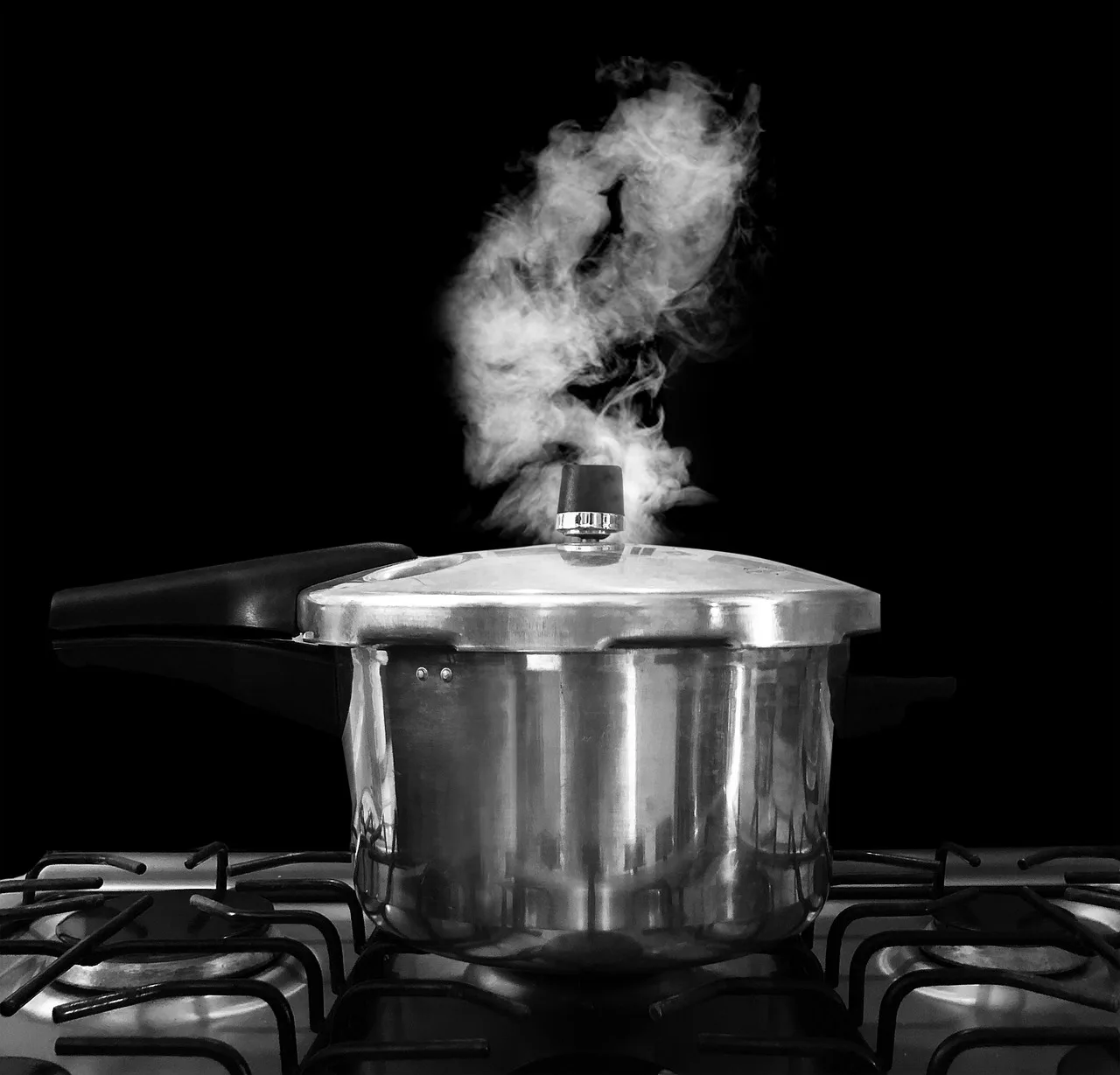
The biggest disadvantages are control, cleanup, and fit. A pressure cooker is a sealed cooking vessel that uses steam pressure to cook above boiling temperature, so you trade visual monitoring for speed. That works well for many braises and beans, but it is a poor match for foods that need crisp edges, exact doneness, or frequent tasting.
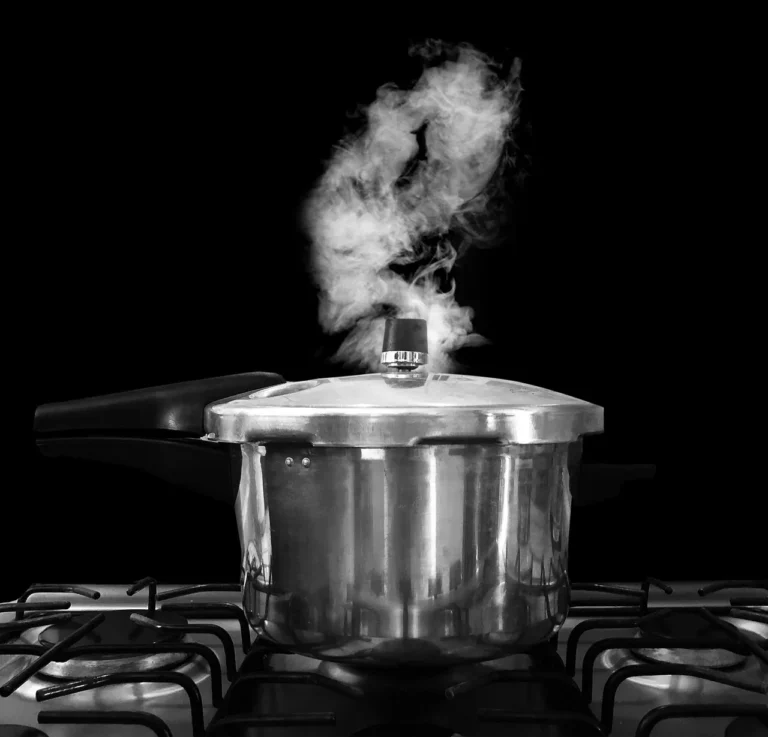
Steam burns are often cited as a common misuse-related hazard, especially during quick release and controlled release. The vent sends out very hot steam, and a hand or face too close to the valve can get burned fast. Natural release is gentler, but it takes longer and still requires care when the seal drops.
Cleanup is another real drawback. Lids often have valves, seals, and small parts that need washing and drying, and the gasket or sealing ring can hold odors over time. That matters more in small kitchens, where storage space is limited and a bulky lid can become a nuisance.
Release methods change the risk
Natural pressure release lets the cooker cool until the float or valve drops on its own. Quick release vents steam right away, which can shorten wait time but may raise steam burn risk. Controlled release sits between them, letting you vent in short bursts, but it still needs a careful hand and a safe angle away from your face.
Suppose a 6-quart electric cooker finishes a pot of soup and the cook flips the valve for quick release while standing over the lid. The soup may still be fine, but the steam plume can hit the wrist or cheek. That risk is about release behavior, not the recipe itself.
More parts mean more upkeep
Pressure cookers depend on a tight seal and a working safety valve. If the valve is clogged or the gasket is worn, pressure retention suffers and the cooker may not behave as expected. That does not mean every old gasket is dangerous on day one, but it does mean maintenance is part of normal use.
Which foods are most likely to disappoint?
Texture-sensitive foods are the most likely to disappoint. Vegetables can go from crisp to soft very quickly, seafood can turn rubbery or fall apart, and rice can go from fluffy to pasty if the liquid ratio or timing is off. Beans and tough cuts of meat are usually better candidates because they tolerate pressure cooking’s high heat and moisture.
The problem is not that pressure cooking fails on all foods. It is that it compresses the margin for error. A minute or two too long can matter a lot for asparagus, shrimp, or white rice, while a chuck roast or dried beans usually have more room for adjustment.
Food-type fit varies a lot
- Vegetables: Best for stews or purées, less reliable for crisp-tender results.
- Seafood: Works only with short times and fast release; overcooks quickly.
- Rice: Can be convenient, but small timing errors can make it gummy.
- Beans: Often a strong use case because dry beans soften efficiently.
- Tough cuts of meat: Usually a good match because collagen breaks down well under pressure.
Picture a batch of green beans set for 4 minutes under pressure because the cook wants dinner to move fast. The beans may come out olive-green and soft instead of bright and crisp. The same cooker can be a much better fit for dried chickpeas or a chuck roast, where tenderness is the goal.
Does pressure cooking hurt nutrition?
Pressure cooking can reduce some water-soluble nutrients, but the bigger practical issue is usually texture and recipe control, not dramatic nutrition damage. Vitamin-sensitive foods can lose more in a wet, high-heat environment than they would with brief steaming or quick sautéing, yet the short cooking time can also help limit total exposure.
That is why the nutrition question needs nuance. Pressure cooking is not broadly “bad for health,” and it does not automatically strip food of value. The main tradeoff is that you cook fast in a sealed, moist environment, which can be less forgiving for delicate ingredients and some vitamins.
Shorter cook times can help
For dried beans, tough cuts, and some grains, shorter cooking time can reduce the window for nutrient loss compared with long simmering. The more important question is whether the method gives you the texture and doneness you want. If a recipe turns mushy, that is a quality problem first and a nutrition issue second.
Are electric models easier than stovetop models?
Electric pressure cookers are usually easier for beginners because they have built-in heating elements, programmed cooking modes, and features like keep-warm or delay start. Stovetop pressure cookers offer more manual control and can reach higher peak pressure, but they require closer monitoring and faster heat adjustments. Easier does not always mean more precise.
Electric pressure cooker tradeoffs
Electric models hold a set temperature with less attention from you, which helps with convenience and repeatability. The tradeoff is slower pressure rise and slower pressure release in many models, so the total time can be longer than the word “pressure” suggests. Some cooks also find the preset behavior less responsive for delicate foods.
Stovetop pressure cooker tradeoffs
Stovetop models react quickly to burner changes and usually reach pressure faster. That speed gives you tighter control, but only if you watch the heat and adjust it often. If you walk away, the pot can overshoot pressure or swing between too much and too little heat.
Pressure release methods and control
Electric models often guide you toward natural release or a delayed vent, while stovetop cookers make it easier to choose quick release or a brief controlled release. That difference matters for texture-sensitive foods. It also changes the burn risk, because faster venting means more exposed steam and more chance of a steam burn.
Pressure cooker downside matrix
Use this matrix to judge fit by food type and cooking style. “Poor fit” means the method often creates the wrong texture or too much cleanup for the result you want. “Moderate fit” means it can work well with care. “Good fit” means the cooker usually solves a real cooking problem.
| Food type | Cooking style | Cleanup burden | Burn risk | Texture risk | Fit level |
|---|---|---|---|---|---|
| Vegetables | Quick weeknight sides | Low | Moderate during release | High | Poor |
| Seafood | Fast one-pot dinner | Low | Moderate during release | High | Poor |
| Rice | Batch cooking | Low | Low to moderate | Moderate | Moderate |
| Beans | Meal prep | Moderate | Low to moderate | Low | Good |
| Tough cuts of meat | Long braise replacement | Moderate | Low to moderate | Low | Good |
| Delicate sauces | Finish and reduce | Moderate | Moderate during release | High | Poor |
How to read the matrix
If your goal is crisp vegetables or a delicate sauce, a pressure cooker is a poor fit even if it is fast. If your goal is beans, broth-based stews, or tenderizing tough meat, it is usually a strong fit. The burn risk column matters most when you plan to vent pressure often.
Why cleanup can become a chore
Cleanup takes more effort than many first-time buyers expect. A pressure cooker lid can include a valve, inner cover, sealing ring, and pressure parts that need careful washing and complete drying. If those parts stay damp, odor and residue become more likely.
The gasket or sealing ring is a common source of complaint because it can trap smells from garlic, curry, or cooked meat. It also wears over time, so a ring that no longer seals well can affect pressure retention. In small kitchens, the storage footprint adds one more annoyance.
Simple upkeep helps
Remove the sealing ring. Take it out after cooking so the lid can dry fully. That reduces trapped moisture and lowers the chance of lingering odors.
Check the valve opening. Clear food residue from the vent and safety valve before the next use. A clogged valve can interrupt pressure control and create a bad seal.
Wash the lid parts. Clean the lid, ring, and removable pieces with warm soapy water, then dry them completely. Dry parts seal better and store more cleanly.
Inspect the gasket. Replace a ring that is cracked, stretched, or no longer sits evenly. Worn rubber can make pressure retention unreliable.
When is a pressure cooker a bad fit?
A pressure cooker is a bad fit when you want visible doneness cues, crisp textures, or very low-maintenance cleanup. It is also a weaker match for cooks who do not want to learn release timing or monitor model-specific behavior. If those concerns matter more than speed, another pot may be simpler.
That does not make pressure cookers bad tools. It means the method works best for cooks who value tender results and accept a little more setup, release care, and part cleaning in exchange for faster cooking.
Common bad-fit signals
- You rely on browning, reduction, or crisp edges.
- You cook a lot of seafood, tender vegetables, or sauces.
- You want to lift the lid often and check progress.
- You dislike washing valves, rings, and lid parts.
- You have very limited cabinet or counter space.
Say your weeknight plan is salmon, green beans, and rice in one pot. The cooker can handle the rice, but the salmon and beans are likely to suffer if they share the same timing. A skillet and saucepan may be less efficient, yet they offer better control over each food.
Frequently asked questions
What are the disadvantages of a pressure cooker?
The main disadvantages are steam burn risk, limited browning, texture loss in delicate foods, and more parts to clean and maintain. Pressure cookers also demand a short learning curve. If you overfill, overcook, or release pressure carelessly, the result can be bland or mushy food and extra cleanup.
What are the disadvantages of cooking in a pressure cooker?
Cooking in a pressure cooker can limit your ability to check progress, taste as you go, or fine-tune texture. That makes it less forgiving than a pot you can open and inspect. It is especially awkward for crisp vegetables, seafood, and recipes that depend on reduction or browning.
What are the disadvantages of pressure cooking?
Pressure cooking can narrow your margin for error because the food cooks under sealed, high-pressure steam. That speeds up tenderizing, but it also means a minute or two can change texture a lot. The method also adds maintenance duties, including gasket care and valve cleaning.
What are the pros and cons of a pressure cooker?
The main pros are speed, energy savings in some recipes, and good results with beans and tough meat. The main cons are steam burn risk, limited control over delicate foods, and cleanup. It is a useful tool, but only if its cooking style matches the food.
What are the advantages and disadvantages of electric pressure cooker?
Electric pressure cookers are easier to program, often include keep-warm and delay start features, and need less heat adjustment. Their drawbacks are slower pressure changes, less manual control, and a sometimes slower release. They suit convenience, but stovetop models usually give more direct control.
Why pressure cooker is not good for health?
That claim is too broad. A pressure cooker is not generally “bad for health,” though it can reduce some water-soluble vitamins the same way other wet cooking methods can. The more common issue is food quality: texture, doneness, and recipe fit matter more than nutrition panic.
What’s the advantage of a pressure cooker?
The main advantage is speed without drying out the food. It can make beans, broth-based meals, and tough cuts tender faster than conventional simmering. It also helps when you want a hands-off method for foods that tolerate moist heat well.
Does pressure cooking ruin food texture or nutrients?
It can ruin texture more easily than it ruins nutrition. Delicate vegetables, seafood, and some grains are the most likely to go soft or gummy. Nutrient loss is usually a smaller issue than overcooking, because the shorter cook time can offset some of the water-soluble loss.