Can You Use Cast Iron That Has Rust?
Yes, light surface rust on cast iron is usually safe to clean off and keep using, but deep pitting, flaking metal, or rust inside cracks means restore it first; discard pieces that are warped, crumbling, or badly damaged. If you ignore rust, it can keep spreading, ruin seasoning, and leave food with a metallic taste or gritty residue. This guide shows when rusty cast iron is still cookable, when to strip and re-season it, and when the pan should go in the scrap pile.
What rust means on cast iron
Cast iron cookware is mostly iron, so it commonly rusts when water and oxygen are present. A small amount of rust in your cast iron cookware won’t harm you if consumed, but rust also means the protective seasoning has broken down and moisture has reached bare metal. The real question is simple: is the damage only on the surface, or does it go deeper?
Surface rust versus pitting
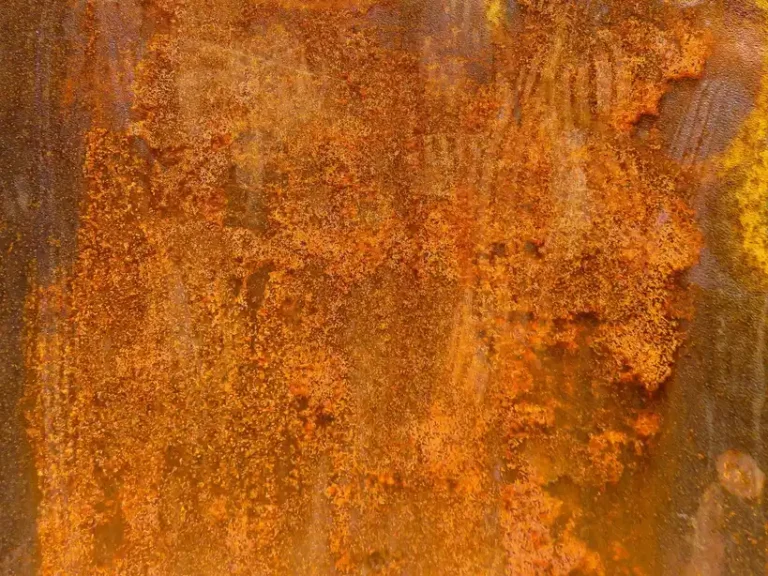
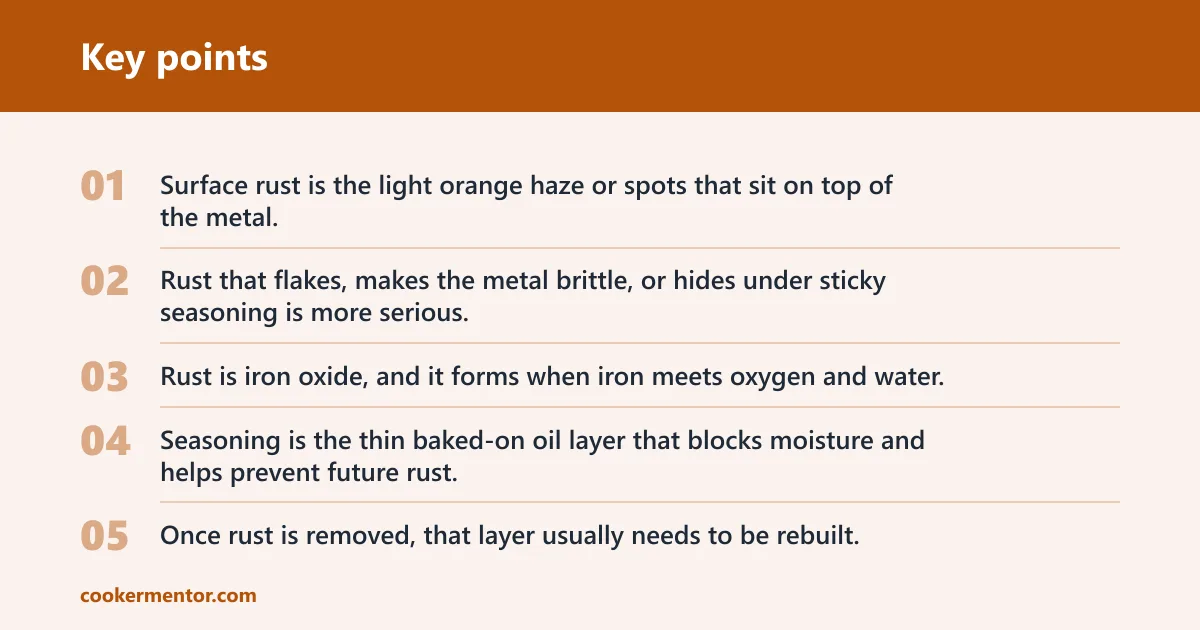
Surface rust is the light orange haze or spots that sit on top of the metal. It is common and usually easy to fix. Pitting is different: it leaves tiny craters where corrosion has eaten into the surface, and that texture can trap moisture, cling to food, and make cleaning harder.
Rust that flakes, makes the metal brittle, or hides under sticky seasoning is more serious. That kind of damage can spread, especially in humid storage. High humidity can cause rust even without visible water on the pan, and a pan that looked fine one night can show orange spots the next morning.
Why cast iron rusts
Rust is iron oxide, and it forms when iron meets oxygen and water. One competitor says cast iron can rust if it’s exposed to water, and that is the basic reason towel-drying alone is not enough if the pan stays damp. Seasoning slows that process, but it is not a permanent shield if the pan is soaked, stored wet, or left in a humid place.
Seasoning is the thin baked-on oil layer that blocks moisture and helps prevent future rust. Once rust is removed, that layer usually needs to be rebuilt. Without it, flash rust can return fast after washing.
Can you cook on it now?
Yes, if the rust is only light surface rust and the pan is otherwise sound, you can usually clean it and cook with it. If the rust is flaky, deep, under sticky seasoning, or tied to cracks or holes, do not cook on it until it is restored or replaced. Rust on the underside still matters because it can signal broader moisture damage.
Light surface rust
Light orange surface rust usually does not mean the pan is ruined. Remove the rust with a pad or scrubber, dry it fully on heat, and re-season if the coating looks thin. Once the rust is gone and the surface feels smooth again, the pan is generally cookable.
Suppose a skillet has a few orange spots on the cooking surface after storage, but no flaking or deep texture. That is a restore-first case, not an automatic discard case. Remove the rust, dry the pan, and rebuild seasoning before the next meal.
Flaky rust
Flaky rust is a stronger warning. When the orange layer lifts in scales or crumbs, the metal beneath may be rough, weakened, or still active with corrosion. You should restore it before cooking, and if the flaking keeps returning after cleaning, that points to deeper damage.
Rust on the underside
Rust on the underside does not contact food directly, but it still counts. It can spread toward the rim, handle, and cooking surface, and it often means the pan was stored in a damp spot or stacked while wet. Check the underside before each use, especially near the base and any raised lettering or feet.
Cast iron rust checklist
Use this quick check before cooking. It separates “clean and cook,” “restore first,” and “discard” decisions by rust type, pitting, and structural damage.
| Rust type | Can you cook on it now? | Required action |
|---|---|---|
| Light orange surface rust | Usually yes, after cleaning | Scrub off rust, dry fully, then re-season if the seasoning looks thin |
| Flaky rust | No, not yet | Remove loose rust first; repeat cleaning until metal is smooth enough to re-season |
| Rust with pitting | Sometimes, if pits are shallow and there are no through-holes | Clean, inspect pit depth, re-season, and monitor for rough spots that trap moisture |
| Rust after vinegar treatment | No, not until fully neutralized and re-seasoned | Rinse, neutralize if needed, dry on heat, then apply oil and bake seasoning back on |
| Rust on the underside | Sometimes, if the rest of the pan is solid | Clean the underside before cooking and confirm the rim, handle, and base are sound |
| Rust with cracks/holes | No | Discard or recycle the pan; structural damage makes it unsafe for normal use |
Do not use trigger list: cracks, holes, wobble, crumbling metal, deep corrosion that keeps shedding, rust inside a crack, or a pan that leaks, bends, or feels unstable. Those are discard-first problems, not routine cleaning jobs.
How to remove rust safely
For light to moderate rust, start with scrubbing. Steel wool is a common abrasive used to strip rust, and wikiHow recommends steel wool or a copper pad for that job. Baking soda can also help as a mild abrasive, especially on light rust or when you want a paste that stays on the spot.
White vinegar helps with stubborn rust, but it should be used briefly. A basic vinegar soak guidance is 15–30 minutes, and vinegar should not exceed 60 minutes total. A 50/50 white vinegar and water soak is suggested for severe rust. After any acid soak, rinse and dry the pan promptly so the surface does not flash-rust again.
-
Scrub loose rust.
Use steel wool, a copper pad, or a baking soda paste to remove orange surface rust. Work only until the rust lifts; over-scrubbing can strip seasoning that is still usable.
-
Short-soak stubborn spots.
For heavier rust, use a diluted white vinegar soak for 15–30 minutes. Do not leave the pan in vinegar beyond 60 minutes total, because the acid can attack sound metal and remove more seasoning than you want.
-
Rinse and neutralize.
Wash away the vinegar, then use baking soda in water or a light baking soda paste if any acid smell or residue remains. This keeps the surface from staying acidic and slowing the next seasoning step.
-
Dry on heat.
Place the pan on a burner for 5–10 minutes after cleaning. That heat drives off hidden moisture from pits, rims, handles, and the underside, which helps prevent flash rust.
A common first-timer mistake is scrubbing a rusty pan clean, rinsing it, and putting it away while it still feels dry to the touch. Cast iron can hold moisture in tiny pits and along the rim, so the surface may rust again before the pan cools.
When should you not use it?
Do not cook on cast iron when rust has moved beyond the surface layer. Deep pitting, cracks, holes, wobble, or metal that keeps crumbling are signs the pan is no longer a simple rust-removal job. Unknown residue or contamination from bad storage is another reason to stop and inspect first.
Rust with pitting
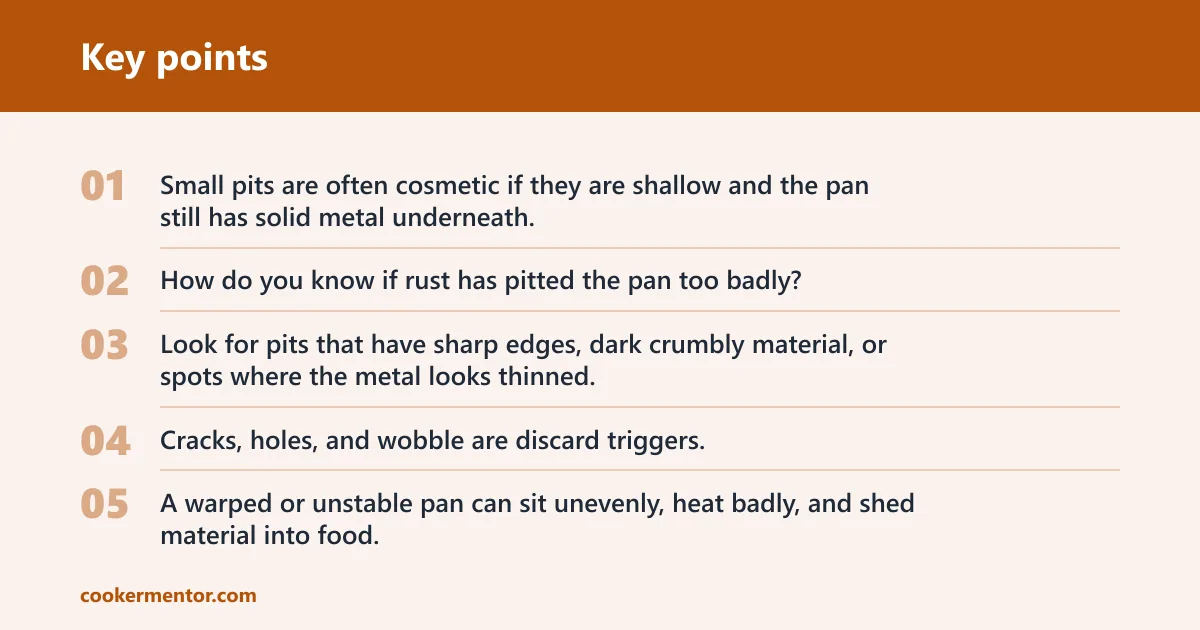
Small pits are often cosmetic if they are shallow and the pan still has solid metal underneath. They can affect texture and cleaning, but they do not automatically make the pan unsafe. The concern rises when pits are deep enough to catch a fingernail, hold liquid, or create tiny channels that keep rust returning.
How do you know if rust has pitted the pan too badly? Look for pits that have sharp edges, dark crumbly material, or spots where the metal looks thinned. If the pitting is widespread or seems to break through the surface, the pan should not go back on the burner until it is assessed carefully.
Cracks, holes, or wobble
Cracks, holes, and wobble are discard triggers. Deep rust that flakes or makes the metal brittle is more serious, and once structural damage starts, cast iron can fail under heat or weight. A warped or unstable pan can sit unevenly, heat badly, and shed material into food.
Unknown residue or contamination
If the pan came from unknown storage, has sticky residue under old seasoning, or smells wrong after cleaning, do not cook on it yet. Strip the affected area, wash thoroughly, and inspect for hidden rust under the seasoning. Rust trapped beneath old oil can spread while the top still looks dark.
How to reseason after rust removal
After rust removal, the pan needs a new protective layer. Seasoning is that baked-on oil coating, and it blocks moisture while slowing future rust. The goal is a thin, even layer, not a thick glossy film that stays tacky.
-
Dry the pan completely.
After washing, dry the pan on a burner for 5–10 minutes. Make sure the rim, handle, underside, and inside corners are dry before moving on, because hidden moisture can ruin the new seasoning.
-
Apply a thin oil coat.
Use a high-smoke-point oil such as canola or grapeseed, and wipe on a very thin coat. Then wipe off the excess until the pan looks almost dry; too much oil leaves a sticky finish instead of a hard coating.
-
Bake the seasoning layer.
Most seasoning methods use an oven at 450–500°F, and many guides recommend baking the pan for 60 minutes during seasoning. Let it cool in the oven if possible, then repeat if the surface still looks patchy or dull.
Seasoning does not need to be perfect to be useful. It needs to be continuous, dry, and bonded to the metal. If rust came back after vinegar or a heavy scrub, one round of seasoning may not be enough.
Frequently asked questions
Can you cook on rusty cast iron?
Usually yes, if the rust is only light surface rust and you remove it first. Rust that flakes, pits deeply, or appears inside cracks is a different case and needs restoration before cooking. The pan should feel solid, not brittle or unstable.
Is rust on cast iron dangerous?
A little surface rust is not usually a health emergency, and a little bit of rust in your cast iron cookware won’t harm you if consumed. The bigger concern is contamination from flaking metal, deep corrosion, or residue trapped under old seasoning. That is why inspection matters more than panic.
How much rust is too much on cast iron?
Too much rust is any amount that flakes heavily, keeps coming back after cleaning, or sits with deep pitting and structural weakness. If the metal feels brittle, the pan wobbles, or the corrosion reaches cracks and holes, stop using it. At that point, restoration may not be worth the risk.
Should I throw away a rusty cast iron pan?
Throw it away or recycle it if it has cracks, holes, wobble, or corrosion that has made the metal fragile. Surface rust, even if ugly, usually does not justify discarding the pan. The real decision point is whether the metal is still solid enough to use safely.
Can you use cast iron after removing the rust?
Yes, once the rust is removed, the pan is dried on heat, and seasoning has been rebuilt. If vinegar was used, rinse and dry before oiling so the surface is not acidic. A restored pan can cook normally if the metal is still sound.
How do you prevent cast iron from rusting?
Dry it right after washing, then warm it briefly on the burner so no moisture stays behind. Store it in a dry place, and avoid long soaks, dishwashers, or wet stacking with other pans. A thin, maintained seasoning layer is the best everyday protection.
Does cast iron rust outdoors?
Yes. Outdoor storage raises the rust risk because humidity can cause rust even without visible water on the pan. If a pan sits in a shed, garage, or covered patio, inspect it often, keep it dry, and re-season whenever the surface starts to look dull or orange.