What Is the Best Oil for Cast Iron Seasoning?
For many home cooks, refined canola or grapeseed oil is a common cast iron seasoning choice because both spread thinly, tend to cost little, and can build a hard coat with less fuss; choosing an oil with a smoke point around 400°F or higher is a practical rule of thumb. The wrong oil can leave sticky buildup, uneven seasoning, and more flaking. This guide compares the best oils by budget, cooking style, and seasoning method.
Choosing the best everyday oil
Best default for most home cooks
Refined canola is the safest everyday default. It is inexpensive, easy to wipe into a near-dry film, and widely recommended for seasoning by Lodge and Hearth & Patina. Grapeseed is the other strong default if you want a neutral oil that many seasoning guides favor.
Best if you want the cheapest reliable option
Canola usually wins on cost. Vegetable oil is also cheap and works well, especially for oven seasoning, but product labels vary more than canola bottles do. If you want a pantry oil that still gives a predictable result, canola is the simplest place to start.
Best if you are trying to rescue sticky seasoning
For a sticky pan, the best oil is usually not a special bottle. Use a neutral oil such as canola, grapeseed, or vegetable oil, then apply less of it. Sticky seasoning usually points to too much oil left on the surface, not a need for a richer fat.
What oil does seasoning need?
Seasoning is oil baked onto the pan through polymerization, which turns a thin oil film into a hard coating. High heat matters because it helps that change happen fast and evenly. Oil choice matters too, but technique decides whether the pan gets a hard film or a tacky layer.
Polymerization in plain terms
Polymerization is the oil-to-hard-film change that gives cast iron its seasoned surface. Lodge describes this process this way, and its guidance centers on baking a very thin coat of oil onto the pan. The goal is not a wet layer; it is a bonded film.
Why polyunsaturated fats help
Field Company points to polyunsaturated fats as useful for seasoning because a higher share of them helps polymerization. That is one reason grapeseed and sunflower oil come up so often in seasoning guides. The fat profile matters because it changes how readily the oil film sets up under heat.
Why smoke point still matters
Smoke point is not the whole story, but it still matters. An oil that smokes too early is harder to spread evenly and more likely to leave a messy coat. Field Company gives grapeseed oil a smoke point around 400-420°F, and that puts it in the practical range for oven seasoning.
Oil table
This table ranks common oils by use case, cost tier, smoke point, ease of application, and failure risk. It is built around the three situations most readers actually face: a first seasoning, a routine touch-up, and a sticky pan that needs recovery.
| Oil | Cost tier | Smoke point | Ease of application | Failure risk | First-seasoning a new skillet | Refreshing maintenance seasoning | Fixing a sticky pan |
|---|---|---|---|---|---|---|---|
| Canola | Low | High | Easy | Low | Best default. Cheap, neutral, and forgiving for thin coats. | Best default. Easy to repeat often without wasting money. | Best default. Good for stripping back sticky residue with new thin layers. |
| Grapeseed | Mid | About 400-420°F | Easy | Low to medium | Acceptable. A common recommended seasoning oil with a neutral finish. | Acceptable. Works well when you want a clean, light coat. | Acceptable. Useful if the pan needs a fresh restart with careful wiping. |
| Sunflower, linoleic type | Mid | High | Easy | Low to medium | Acceptable. Field Company favors sunflower oil, especially the linoleic type. | Acceptable. Works well if the bottle is the standard linoleic version. | Acceptable. A solid reset oil when applied very thin. |
| Refined avocado | High | Very high | Easy | Low | Acceptable. Neutral enough, but often too expensive for a first coat. | Acceptable. Good if you already keep it for cooking. | Acceptable. Fine for recovery, though not the cheapest fix. |
| Vegetable oil | Low | High | Easy | Low | Best default. Lodge lists vegetable oil among its preferred test-kitchen choices. | Best default. A simple pantry oil for repeat seasoning cycles. | Best default. Often the easiest low-cost reset oil. |
| Flaxseed | High | 225°F | Tricky | High | Avoid. Can create brittle or flaky seasoning if applied wrong. | Avoid. Too easy to overapply for routine use. | Avoid. Better reserved for experienced users with very thin layers. |
Suppose a 10-inch skillet comes out blotchy after its first bake. The fix is usually not more oil. It is a tighter wipe, a hotter oven cycle, and another thin coat rather than one heavy pass.
Is grapeseed oil better than canola oil for cast iron seasoning?
Grapeseed is not automatically better than canola. It is a very good seasoning oil, especially because Field Company points to grapeseed and sunflower oil, but canola is usually cheaper and just as easy for beginners to handle. The better oil is the one you can apply thinly and repeat.
Grapeseed oil: when it makes sense
Grapeseed oil makes sense when you want a neutral scent, a common seasoning recommendation, and a smoke point around 400-420°F. It is a solid choice for a new skillet or a fresh maintenance layer. The main drawback is cost, not performance.
Canola oil: why it is the budget default
Canola is the budget default because it is neutral, widely available, and easy to use for thin coats. Lodge and Hearth & Patina both point to canola as a strong option. If cost matters and you want a reliable result, canola is hard to beat.
Where sunflower and refined avocado fit
Sunflower oil works best when it is the linoleic type, not the high-oleic supermarket version often sold for cooking. Refined avocado oil is another good seasoning oil because it is neutral and has a very high smoke point, but it costs more than canola or vegetable oil.
Can you season cast iron with flaxseed oil?
Yes, but flaxseed oil is the most controversial choice on this list. The same source lists its smoke point at 225°F, and Hearth & Patina warns that flaxseed seasoning can flake off in sheets. It can work, but it is not the best default for most home cooks.
Why flaxseed oil is controversial
Flaxseed oil is a drying oil, which is why some people like it for seasoning. The problem is that a drying oil can also become brittle if the coat is too thick or the bake is not controlled well. That makes it less forgiving than canola, grapeseed, or vegetable oil.
Why ultra-thin layers matter even more here
With flaxseed oil, the thin-coat rule matters more than usual. The pan should look almost dry after wiping, with no visible shine pooling in corners or around the rim. Too much flaxseed oil is one of the fastest ways to get flaky seasoning instead of a hard film.
When a brittle finish is a warning sign
A brittle or peeling finish usually means the layer was too thick, the oil choice was too ambitious for the method, or both. If flakes come off in sheets, stop adding more flaxseed oil. Strip back the failed coat and restart with a more forgiving oil.
What oil should you avoid?
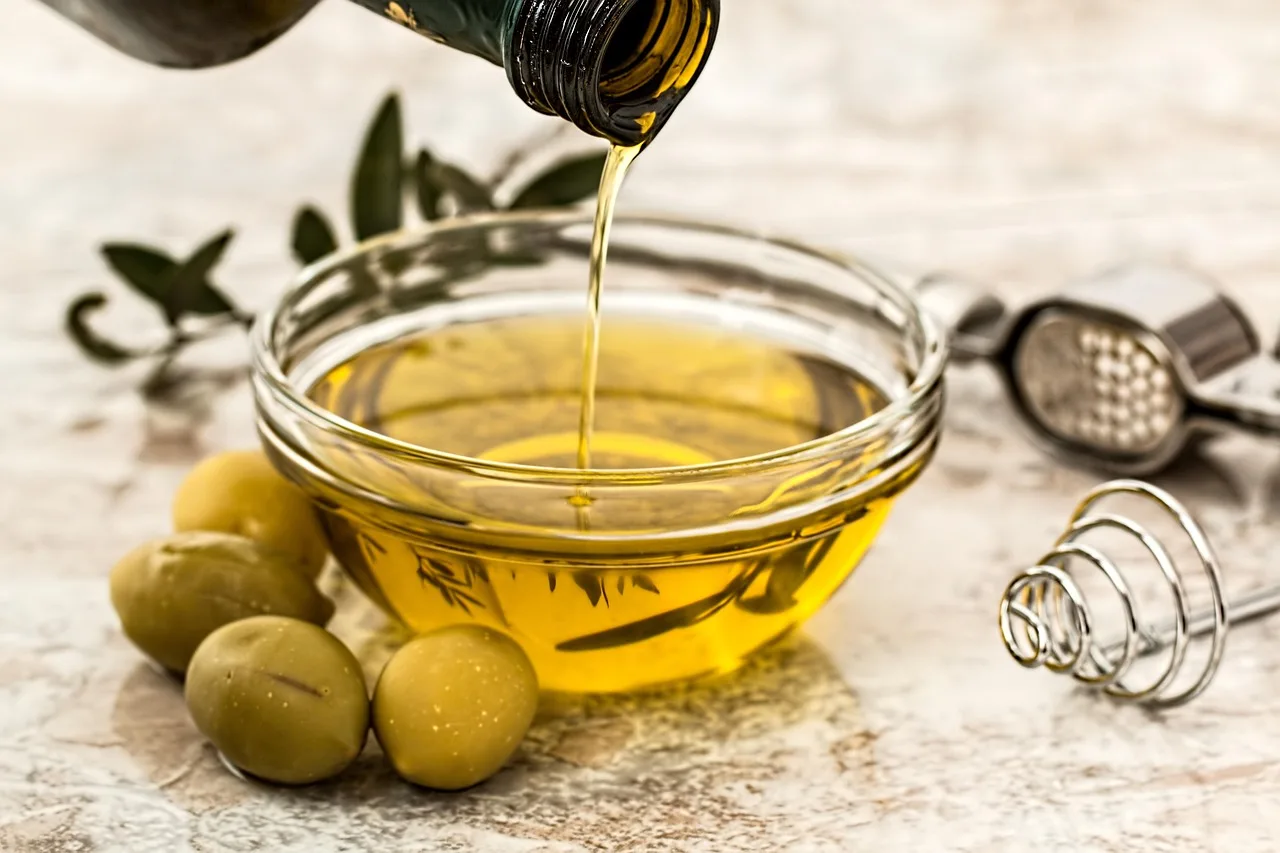
Olive oil, butter, and similar low-smoke-point fats are poor seasoning choices. They can smoke and break down before they form a clean film, and they are more likely to leave sticky residue. Bacon grease and other animal fats can work in cooking, but they are not the best default for seasoning.
Olive oil, butter, and other poor choices
Extra-virgin olive oil is a poor seasoning choice because it is not built for this job. Butter is worse, since its milk solids burn quickly. Lard and shortening sit closer to the middle, but they are still less predictable than canola, grapeseed, vegetable oil, or refined avocado oil.
Why thick coats cause sticky seasoning
Sticky seasoning usually comes from too much oil left on the pan. The same source says to use a very thin layer, not enough to drip or run. Multiple thin layers outperform one thick coat because the thin film can polymerize instead of staying gummy.
Do seasoning sprays or waxes work as well as oil?
Seasoning sprays and waxes are only as good as the film they leave behind. They do not beat a properly wiped oil coat. If a spray leaves too much residue, it can still turn sticky. A clean, thin layer of ordinary oil is the more reliable choice.
A common first-timer mistake is to leave a shiny film on the bottom of the pan and think the oven will fix it. If that pan bakes at 475°F, the excess oil can collect into tacky patches instead of forming a smooth coat.
How to season cast iron in the oven
A common oven method uses a very thin coat, a 450-500°F oven, and about 1 hour of baking with the pan placed upside down. The same source recommends that temperature range and bake time. The upside-down position helps excess oil drain away instead of pooling.
-
Wash and dry the pan.
Remove rust, food residue, and moisture first. A dry surface gives the oil a better chance to bond instead of steaming or clumping during the bake. -
Apply a whisper-thin coat.
Put a few drops of canola, grapeseed, vegetable, or refined avocado oil on the pan, then wipe almost all of it off. Lodge advises a very thin layer, not enough to drip or run. -
Buff until nearly dry.
Keep wiping with a clean towel until the surface looks matte, not glossy. This step is what prevents the sticky finish that comes from excess oil. - Put foil or a tray underneath if needed to catch any trace drips.
-
Repeat if needed.
Let the pan cool, then add another thin coat and repeat the cycle. Multiple thin layers build a better surface than one heavy bake.
When to repeat the cycle
Repeat the oven cycle when the pan still looks patchy, dull, or uneven after cooling. One round is often enough for maintenance, but a new skillet or a stripped pan may need several thin layers. Regular cooking then helps maintain the finish over time.
Frequently asked questions
What oil is best for seasoning cast iron?
For most home cooks, canola and grapeseed are the best all-around choices. Canola is usually the cheapest reliable option, while grapeseed is another strong neutral oil with a smoke point around 400-420°F. Both work well when applied in very thin coats and baked properly.
What smoke point should an oil have for cast iron seasoning?
A smoke point around 400°F or higher is a common practical target for most seasoning jobs. That range is easy to work with during oven seasoning and gives you more room to bake off excess oil cleanly. Smoke point is helpful, but a thin coat still matters more.
Does the type of oil matter more than the technique?
Technique matters more. A good oil applied too thickly can still leave a sticky pan, while an ordinary neutral oil applied almost dry can build a durable finish. Oil choice helps, but thin application and enough heat do the real work.
What is the cheapest oil that still seasons cast iron well?
Canola is often one of the cheapest reliable seasoning oils. Vegetable oil is also low-cost and can work well, especially for oven seasoning. If you want the best mix of price and predictability, canola is the easiest answer.
Can I use avocado oil to season cast iron?
Yes. Refined avocado oil is a good seasoning choice because it is neutral and has a very high smoke point. The downside is price. It works well, but it is usually more expensive than canola or vegetable oil for routine seasoning.
Should I use olive oil, butter, or lard to season cast iron?
They are not the best choices. Olive oil and butter are poor fits for seasoning because they are more likely to smoke early or leave residue. Lard can work in cooking, but for seasoning, a neutral high-smoke-point oil is more predictable and easier to control.
Why does cast iron get sticky after seasoning?
Sticky seasoning almost always means too much oil was left on the surface. The pan may also have been baked too lightly, but overapplication is the usual problem. Wipe the oil much thinner next time, then bake it at the proper temperature so the film can set.