What Is the Best Replacement for a Teflon Pan?
The best replacement for a worn Teflon pan is usually a PFAS-free ceramic nonstick pan for eggs and low-fat cooking. Choose stainless steel or carbon steel instead if you sear often, and cast iron if you want the longest life. Pick badly, and you get stuck-on food, harder cleanup, or a pan that wears out just as fast as the old one. This guide compares the best replacement by cooking style, maintenance tolerance, and PFAS-free priority.
What Teflon really
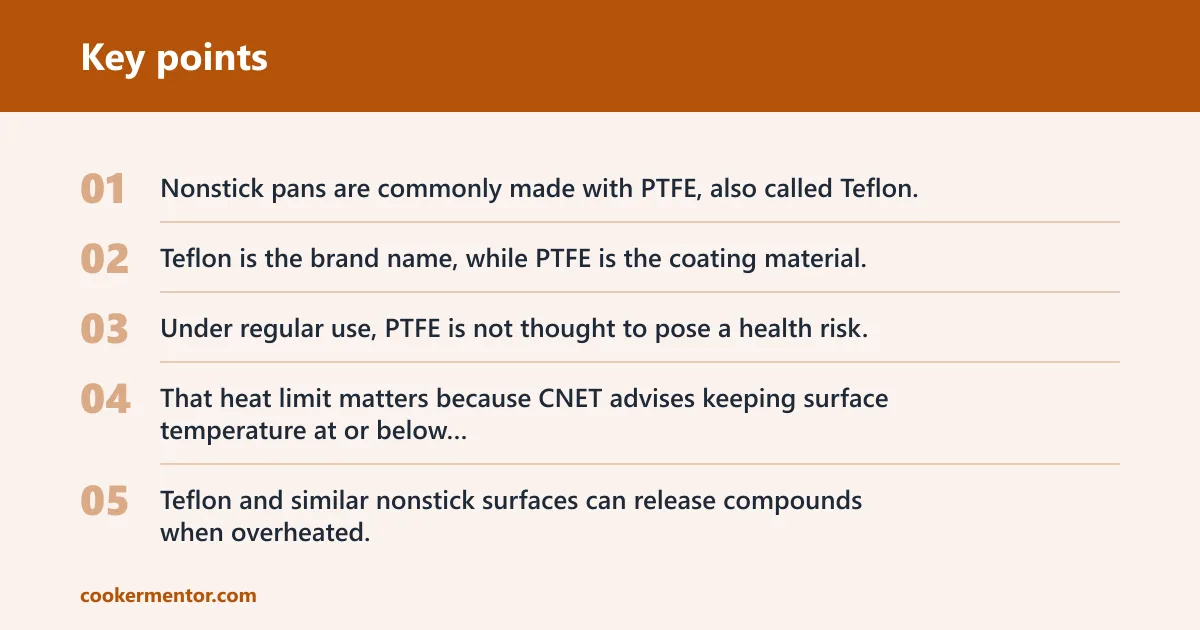
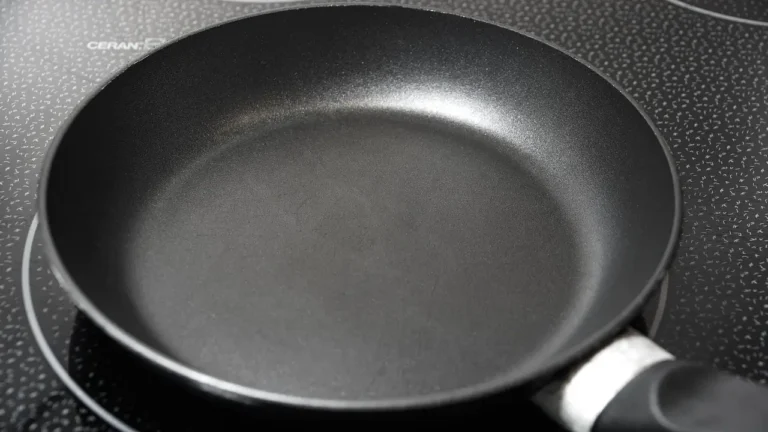
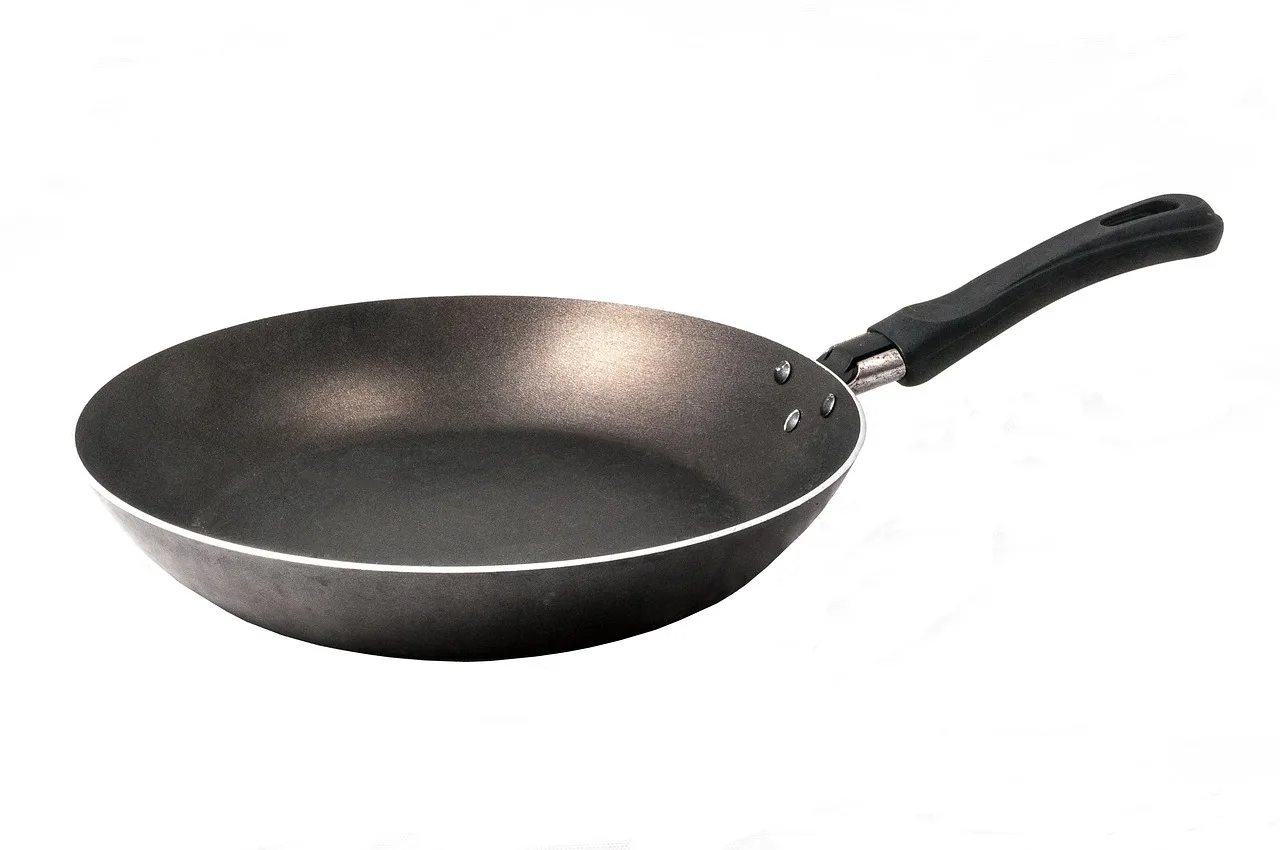
Nonstick pans are commonly made with PTFE, also called Teflon. Teflon is the brand name, while PTFE is the coating material. Under regular use, PTFE is not thought to pose a health risk, but it is built for low-to-medium heat, not repeated high-heat abuse.
That heat limit matters because CNET advises keeping surface temperature at or below 450°F, and emissions increase above 500 degrees Fahrenheit. Teflon and similar nonstick surfaces can release compounds when overheated, and polymer fume fever is also known as Teflon flu.
Older PFOA concerns belong to legacy cookware. Standard industry guidance says cookware made in recent years should be PFOA-free, so modern buyers are usually choosing between PTFE-based nonstick performance and newer coating or bare-metal alternatives, not between today’s pan and the older chemical profile that worried earlier buyers.
Damaged nonstick cookware belongs in the replacement pile. The Independent says scratched or chipped coating means replacement is needed, and scratches can come from metal utensils, dishwashers, or abrasive sponges. It also notes that PTFE breaks down with high heat and heavy use, and that modern damage means food starts attaching to the pan.
Say your 10-inch skillet has started leaving egg white welded to the center, even after a light oil wipe. That is not a cleaning problem anymore. It is a coating problem, and replacement is the only solution once a nonstick surface is worn out.
Best Teflon replacements at a glance
For most home cooks, the best all-around replacement is carbon steel if you want a pan that can handle eggs, sautéing, and higher heat with practice. If your priority is the easiest cleanup, ceramic-coated nonstick is the closest feel to Teflon, but it usually does not last as long. If you want the longest service life and do not mind weight, cast iron is the hard-wearing pick.
| Replacement material | Use case | Cleanup effort | Heat tolerance | Seasoning or maintenance | Best foods | Best for eggs | Best for searing | Best for low maintenance | Best PFAS-free |
|---|---|---|---|---|---|---|---|---|---|
| Ceramic-coated pan | Closest feel to nonstick for eggs and delicate foods | Low | Moderate; follow the maker’s limit | Gentle washing, avoid harsh abrasion | Eggs, pancakes, fish, crepes | Yes | No | Yes | Yes |
| Carbon steel pan | Seasoned pan for everyday cooking and higher heat | Moderate | High | Seasoning, prompt drying, light oiling | Eggs, stir-fries, cutlets, sautéed vegetables | Yes | Yes | No | Yes |
| Cast iron skillet | Heat retention and long service life | Moderate | Very high | Seasoning, drying, occasional re-oiling | Searing, cornbread, skillet meals, oven finishes | Yes, with practice | Yes | No | Yes |
| Stainless steel skillet | Noncoated pan for browning and sauce work | Moderate to high | High | Preheat, use oil, clean stuck bits after cooking | Searing, pan sauces, sautéed mushrooms, fond-heavy dishes | No | Yes | No | Yes |
| Enameled cast iron | Lower-maintenance cast iron for braises and oven use | Low to moderate | High | Avoid chips; no seasoning needed | Braises, soups, stews, oven-to-table dishes | No | Sometimes | Yes | Yes |
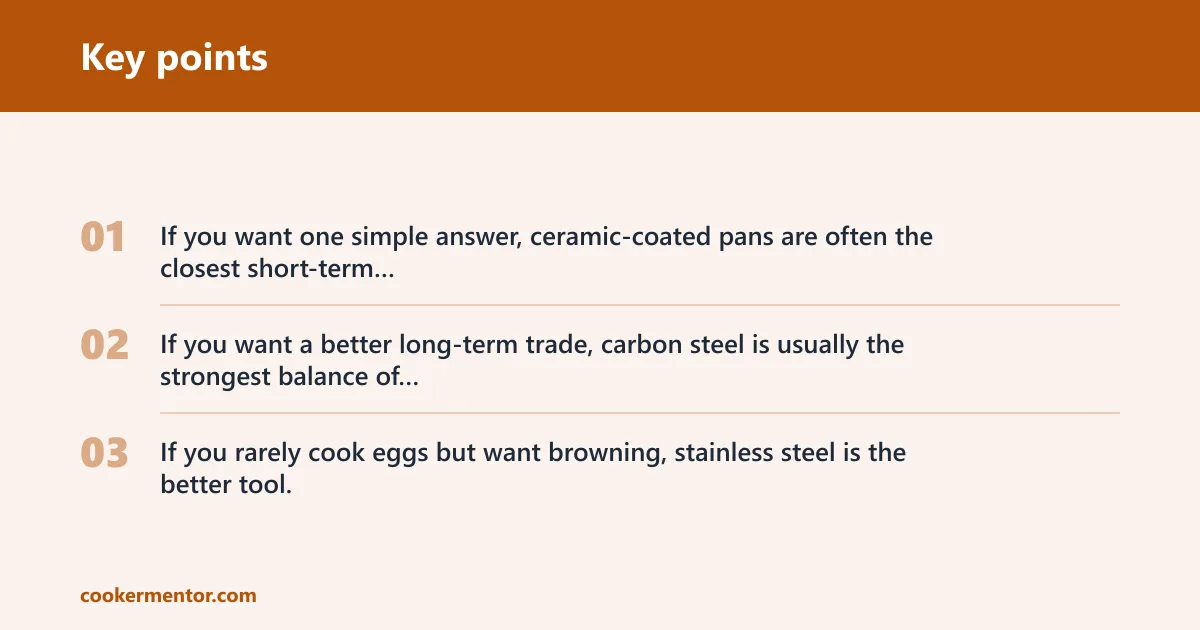
If you want one simple answer, ceramic-coated pans are often the closest short-term substitute for a nonstick Teflon pan. If you want a better long-term trade, carbon steel is usually the strongest balance of PFAS-free cooking, heat control, and versatility. If you rarely cook eggs but want browning, stainless steel is the better tool.
Which replacement works best for eggs?
Carbon steel can be a strong replacement for eggs if you want a PFAS-free pan that can still behave like a seasoned nonstick surface. Cast iron is a close second, especially if you like steady heat. Ceramic-coated pans are easiest at first, but their nonstick feel varies by brand and usually fades sooner than PTFE.
Carbon steel for a seasoned egg pan
Carbon steel is lighter than cast iron and responds faster to heat changes, which makes it practical for eggs once the seasoning builds. It still needs the same basics as other seasoned pans: oil, dry storage, and prompt drying after washing. That upkeep is manageable for cooks who want one pan for eggs and medium-heat tasks.
Cast iron for steady release
Cast iron holds heat well, so it stays steady when you add cold eggs or move from stovetop to oven. The tradeoff is weight and care. It needs seasoning and drying, and it is less forgiving if left wet. For cooks who value longevity over convenience, that is an acceptable exchange.
Ceramic-coated pans for the easiest first swap
Ceramic-coated pans are the easiest transition if you want something that feels close to Teflon on day one. They are also the most fragile of the common PFAS-free choices in this comparison. If you want easy eggs and easy cleanup without a learning curve, they fit. If you want durability, they are the weaker bet.
Picture a 12-inch ceramic skillet set on medium heat for scrambled eggs. If the heat stays modest and you avoid metal utensils, the pan can work well. If it starts needing more oil after a few months, that is the coating aging, not a user error.
Which replacement is best for searing and browning?
Stainless steel is often a strong replacement for searing and browning because it rewards high heat, creates fond, and stays stable under aggressive cooking. Cast iron is close behind for heat retention. Enameled cast iron is better for braises and oven finishes than for hard searing, although it can still handle some browning.
Stainless steel for fond and fast heat control
Stainless steel is noncoated cookware, so it is not trying to mimic Teflon. It is better for searing because it tolerates heat and helps build browned bits for pan sauces. The catch is technique: preheat the pan, add oil at the right time, and wait for food to release before turning it.
Cast iron for maximum heat retention
Cast iron is the strongest choice when you want a hot surface that stays hot. That makes it excellent for steak, chops, and vegetables that need real browning. It is heavier than carbon steel and needs more care, but it is hard to beat for oven-safe versatility and long service life.
Enameled cast iron for braises and oven work
Enameled cast iron is a good replacement when you want a nonreactive surface and less routine maintenance than bare cast iron. It is heavier and more expensive, though, and it is not the best first choice for all-day searing. Use it for braises, stews, and dishes that move from stovetop to oven.
A common first-timer mistake is expecting stainless steel to behave like nonstick at low heat. It usually will not. If the pan is not preheated and the food is moved too soon, sticking is normal. That is why stainless steel is a technique pan, not a direct Teflon clone.
Best nonstick pan replacement by cleanup effort
If cleanup matters most, ceramic-coated pans are the easiest replacement because they need the least technique and the lightest scrubbing. Enameled cast iron is also easy to wash. Bare cast iron and carbon steel take more care because you need to dry them promptly and protect the seasoning that keeps them usable.
Low-maintenance choice for busy cooks
Ceramic-coated pans are the lowest-effort swap for readers who want the shortest route away from PTFE. They do not require seasoning. They are also the most likely in this group to wear out sooner, so low maintenance today can mean more frequent replacement later.
Why seasoning and drying change the workload
Cast iron and carbon steel are not difficult, but they are not zero-maintenance either. They need seasoning to maintain release, and they need to be dried promptly after washing. Left wet, they can rust. That extra step is the price of choosing a PFAS-free pan that can last a long time.
Why ceramic-coated pans do not last forever
Ceramic-coated pans can be the easiest clean in the short term, but they are not the best durability answer. The nonstick feel varies by brand, and the coating usually has a shorter lifespan than PTFE. For readers replacing a worn Teflon pan because they want one purchase to last longer, that matters.
Best PFAS-free cookware options
If you want to stop using nonstick and avoid PFAS entirely, the clearest choices are stainless steel, cast iron, carbon steel, and enameled cast iron. Ceramic-coated pans are only part of that answer if the maker states the coating is PFAS-free. For the safest broad replacement path, stainless steel and seasoned metals are the most straightforward.
What counts as PFAS-free here
PFAS-free means the pan is not using PTFE-based nonstick. That includes stainless steel, bare cast iron, carbon steel, and enameled cast iron. It can also include ceramic-coated pans if the brand’s coating is not PTFE-based. The label matters, because “nonstick” alone does not tell you what is on the surface.
Why these materials fit the goal
Stainless steel has no coating to break down. Cast iron and carbon steel rely on seasoning rather than a synthetic nonstick layer. Enameled cast iron uses a hard enamel surface. Each avoids the PTFE question, which is the most direct answer for readers who want to leave Teflon behind.
When ceramic-coated pans fit and when they do not
Ceramic-coated pans fit when you want a PFAS-free replacement for eggs, pancakes, and delicate foods with minimal effort. They do not fit well when your priority is longevity or hard daily use. If you cook eggs twice a day and want a pan for years, seasoned metal is the safer bet.
How to pick the right pan for your kitchen
The best alternative depends on what you cook, how much maintenance you will accept, and how much weight you want to lift. There is no single pan that beats every other option for eggs, searing, cleanup, and PFAS-free preference at the same time. Pick the match for your routine, not the marketing label.
Choose by heat tolerance
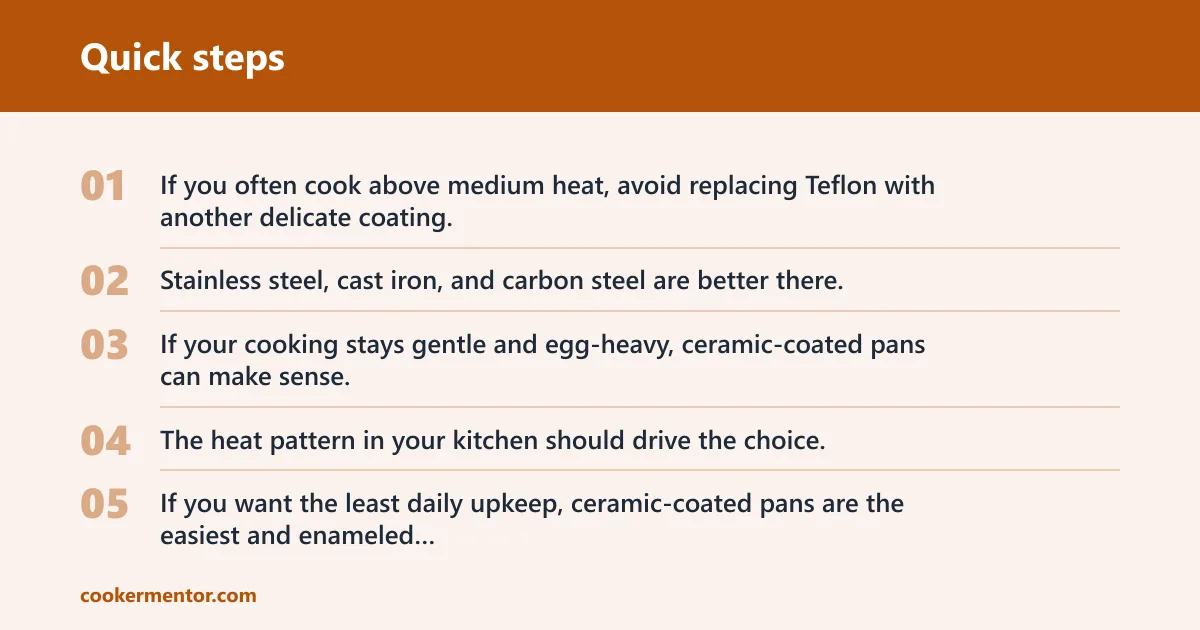
If you often cook above medium heat, avoid replacing Teflon with another delicate coating. Stainless steel, cast iron, and carbon steel are better there. If your cooking stays gentle and egg-heavy, ceramic-coated pans can make sense. The heat pattern in your kitchen should drive the choice.
Choose by maintenance tolerance
If you want the least daily upkeep, ceramic-coated pans are the easiest and enameled cast iron is the longest-lasting low-care option. If you can manage seasoning and drying, carbon steel and bare cast iron pay that effort back with better heat performance and durability. Stainless steel sits in the middle on effort but high on control.
Choose by weight, cost, and oven use
Cast iron tends to be among the heaviest and is often one of the cheapest per year of service. Carbon steel is lighter and still durable. Stainless steel is often the easiest transition for cooks who want a pan that can move from stovetop to oven without coating concerns. Enameled cast iron usually costs more and weighs more, but it handles braises and table service well.
Suppose you want one pan for fried eggs, weeknight chicken thighs, and oven-finished vegetables. A carbon steel skillet gives you the best mix of heat, PFAS-free cooking, and versatility. If you want the easiest cleanup and do not mind replacing it sooner, choose a ceramic-coated pan instead.
Frequently asked questions
What is the best alternative for non stick pans?
The best alternative for nonstick pans depends on what you cook most. Carbon steel is the strongest all-around pick for many kitchens because it can handle eggs, sautéing, and higher heat with seasoning. Ceramic-coated pans are the closest feel to Teflon for short-term low-fat cooking.
What is the best alternative to teflon pans?
The best alternative to Teflon pans is usually carbon steel if you want one pan that can do more than eggs. If your main goal is the easiest cleanup, a PFAS-free ceramic-coated pan is the simpler swap. For searing and browning, stainless steel is the better tool.
What is better than teflon pans?
What is better than Teflon pans depends on the job. Stainless steel is better for searing. Cast iron is better for long heat retention. Carbon steel is better for cooks who want a seasoned PFAS-free pan that still handles eggs well. Teflon is still easier for pure nonstick convenience.
What is the best alternative to a non stick pan?
The best alternative to a nonstick pan for most home cooks is carbon steel if you want a broad-use replacement, or ceramic-coated if you want the closest nonstick feel. If you want to avoid PFAS entirely and cook for the long term, stainless steel or cast iron is the stronger answer.
What can I use instead of teflon?
You can use stainless steel, cast iron, carbon steel, enameled cast iron, or a PFAS-free ceramic-coated pan instead of Teflon. Choose stainless steel for browning, carbon steel for eggs and high heat, and ceramic-coated pans when ease of use matters more than lifespan.
Which pan is safest if I want to stop using nonstick?
The safest simple choice if you want to stop using nonstick is stainless steel, because it has no coating to overheat or wear away. Cast iron and carbon steel are also PFAS-free. If you want the lowest chemical concern and the least guesswork, stainless steel is the cleanest swap.