How to Preheat a Stainless Steel Pan Without Sticking
Preheat a stainless steel pan over medium heat for 2 to 4 minutes, then add oil and wait until it shimmers and moves easily. If a water drop beads and skitters, the pan is ready. Too little heat makes protein weld to the steel, and too much heat can burn oil before food ever hits the surface. This guide shows the right preheat window, how to spot overshoot, and how to recover fast before sticking starts.
What you’ll need
- A flat-bottom stainless steel skillet or sauté pan
- A stovetop or oven-safe heat source
- Cooking oil with a high smoke point
- Paper towels or a clean cloth for drying food
- Tongs or a spatula for placing food gently
- A few drops of water for the readiness check
Why preheating stainless steel matters
Stainless steel does not act like nonstick coating. Heat spreads through the pan, but not always evenly, so one spot can be ready while another still lags. When the surface reaches the right zone, food is less likely to form direct metal bonds and more likely to release cleanly.
Protein-rich foods are the biggest problem. Eggs, fish, and many cuts of meat stick more easily because their proteins bond to the metal when the pan is too cool or the food is wet. A dry pan, the right heat, and a thin layer of fat work together.
What the pan is doing
Stainless steel pans are commonly valued because they tolerate stovetop and oven use, though they can heat more unevenly than a coated pan. A flat-bottom skillet makes contact with the burner more evenly, yet the same pan can behave differently on gas, electric, and induction.
Steam is the key to release. Once the pan reaches the right range, moisture flashes to steam under the food and helps it move on the metal surface like an air hockey puck. That effect helps only in the correct window.
How hot should the pan be?
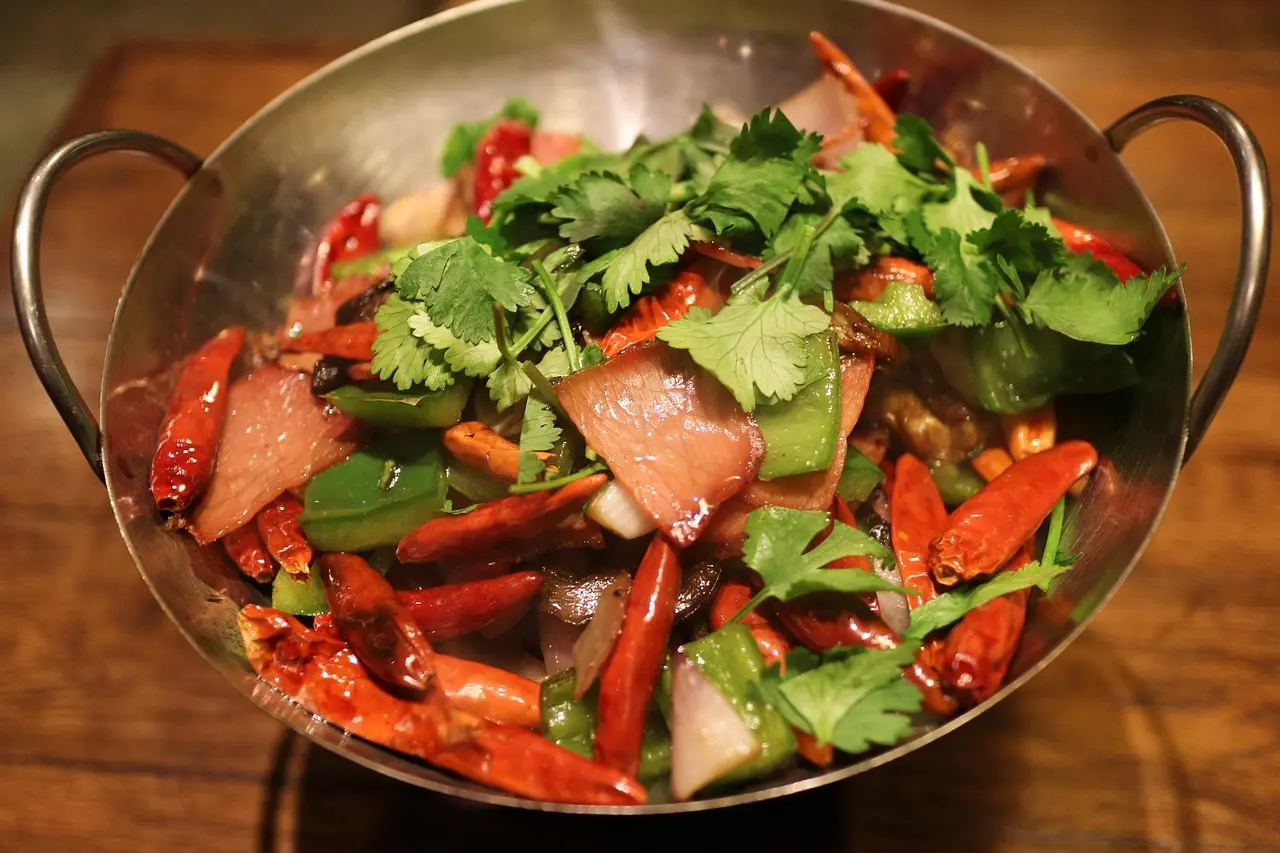
The target is a hot pan, not a smoking one. Start with an empty pan on medium heat for 2 to 4 minutes, or medium-high for 2 to 3 minutes if that is the setting your burner needs to reach the same window. You want the surface hot enough for a water droplet to roll and skitter, but not so hot that the water vanishes the instant it lands.
Signs the pan is too cold
If droplets sit there, the pan is still too cold. Food added at that point is more likely to bond to the steel and tear when you try to move it. A cool pan also slows oil spread, so the coating is patchy.
Signs the pan is too hot
If droplets evaporate immediately, the pan is too hot. Oil may smoke right away, and food can scorch before the center cooks through. That is overshoot, not a better version of readiness.
Say your stainless skillet is on an induction cooktop and a few water drops disappear the moment they hit the surface. That pan is past the target window. Pull it off heat, let it cool briefly, then test again before adding oil.
Preheat the pan
Start with a dry pan. Set the stainless steel pan on the burner empty. Dry metal heats more predictably, and starting dry avoids steam pockets that hide the true surface temperature.
Use medium heat first. Preheat on medium for 2 to 4 minutes. If your stove runs cool or your pan is thick, move toward the longer end; if the burner is strong, check sooner.
Check with water. Flick in a few drops of water. If they sizzle, then form rolling, skittering beads, the pan is in the ready zone. If they sit, wait longer. If they vanish instantly, cool the pan and try again.
Add oil after heating. Pour in a thin film of oil only after the pan is hot. Swirl until the surface looks lightly coated, then add food right away so the oil does not overheat.
Cook before the oil smokes. High smoke point oils are a better fit here because they hold up during preheating. If the oil starts to smoke hard, the pan is too hot and you should let it cool before cooking.
What the water droplet test means
The water droplet test uses a few droplets flicked into the skillet. It is a readiness cue, not a license to keep adding water once food is in the pan. The effect behind the test is the Leidenfrost effect, where a steam layer forms under the water and changes how it moves across the metal.
How to read the droplets
At the right point, the droplets should roll and skitter. That movement tells you the pan is near the Leidenfrost range, about 365 to 379 degrees Fahrenheit. A large drop can hiss and float across the surface on steam. That is a strong sign the pan is hot enough for many foods.
But the test has a limit. A pan that is too hot can also make droplets evaporate immediately, so skittering alone does not guarantee the pan is perfect for every ingredient. If the oil smokes too fast or the first food piece darkens before release, the pan is overshot.
Can you use the same method on gas, electric, and induction?
Yes, but the timing is not identical. Gas, electric, and induction warm pans differently, so the same burner number does not produce the same result on every stove. Use the droplet test to confirm readiness, not the knob position alone.
Gas burner timing
Gas usually responds quickly, so a dry stainless skillet often reaches the window within the standard 2 to 4 minutes on medium. Flame distribution can still leave hot and cool zones, so test the center and keep the pan level.
Electric and smooth-top timing
Electric coils and smooth-top radiant burners often take longer to stabilize. Give them extra time before checking, then reassess after a short pause if the first droplet still sits. The surface can lag behind the visible burner glow.
Induction timing
Induction heats the pan itself quickly, so overshoot can happen fast. Check early and often. If droplets disappear instantly, remove the pan for a brief cool-down before adding oil.
Pan sticking troubleshooting table
| Symptom | Likely cause | What the pan looked like during the water test | Exact correction |
|---|---|---|---|
| Eggs glue to the center | Pan too cool | Droplets sat there or moved sluggishly | Restart and heat 30 to 60 seconds longer before adding oil |
| Fish tears on the first flip | Fish was wet or pan was not hot enough | Droplets sizzled but did not skitter | Dry the fish well, add oil after preheating, and recheck the pan |
| Meat forms a dark crust fast | Pan overshot | Droplets vanished almost immediately | Cool 30 seconds, wipe out the pan if needed, then recheck before cooking |
| Vegetables grab in patches | Crowded pan or residue on the steel | Droplets skittered, but some spots looked uneven | Reduce batch size and restart on a clean pan surface |
| Food sticks after oiling correctly | Oil choice, leftover residue, or too much surface moisture | Droplets rolled properly | Add oil, dry food better, and restart if residue remains |
Why does food still stick?
Food can still stick even after a good preheat because the pan is only one part of the system. Moisture on the food, leftover residue on the steel, too much food in the pan at once, or the wrong oil can all break the release window.
Suppose a roughly 10-inch skillet passes the water test, but a pile of damp mushrooms goes in all at once. The batch lowers the surface temperature, the moisture steams, and the pan falls out of the best release zone before the mushrooms brown. Smaller batches help more than forcing the whole pile through at once.
Wet food and excess surface moisture
Dry food releases better. Pat meat, fish, and vegetables dry before they touch the pan. If the surface is wet, the water has to leave first, and that delays browning while increasing the chance of sticking.
Oil choice and oil amount
Add oil after preheating, then use only enough to coat the surface in a thin layer. Too little leaves bare spots. Too much can pool and smoke before the food settles. A high smoke point oil is the safer choice for a hot stainless pan.
Crowded pans and temperature drop
Too much food at once can pull the pan below the ready zone. That is common with chicken cutlets, shrimp, or a full load of sliced vegetables. Work in batches if the pan surface is crowded.
Protein-rich foods and quick release
Eggs, fish, and meat are particularly prone to sticking because of their protein structure. Wait for the food to release on its own instead of forcing a turn. If it sticks hard, the pan usually needs more time, more heat, or a cleaner surface.
Common mistakes
- Adding oil before the pan is hot, which can make the oil overheat before food goes in
- Trusting burner settings alone instead of checking the pan with a water droplet test
- Using a wet protein fillet or damp vegetables
- Overcrowding the pan and dropping the temperature too fast
- Letting the pan get so hot that oil smokes before cooking starts
- Ignoring residue left from the previous batch
Prevention: Dry food well, keep the batch size modest, and recheck the pan before each new round if the stove runs hot or the pan has been moved.
Frequently asked questions
How hot should a stainless steel pan be before adding food?
Hot enough for a few water drops to roll and skitter, but not so hot that they vanish instantly. That puts the pan near the Leidenfrost range, which is the point where steam starts changing how the droplets move. Add oil after the pan reaches that zone.
How do I know when stainless steel is ready so food won’t stick?
Look for the water test result first, then watch the oil. The pan is ready when droplets skitter and the oil shimmers without smoking hard. If the pan is too cold, droplets sit. If it is too hot, they disappear right away.
Should I preheat stainless steel before adding oil or after?
Preheat first, then add oil. A hot pan lets the oil coat the steel in a thin, even layer and reduces the chance of cold spots that grab food. Add the food soon after the oil heats so it does not smoke or break down.
What does the water droplet test mean on stainless steel?
The test shows whether the pan has reached the range where water briefly rides on steam. That movement signals the Leidenfrost effect. It is a practical cue that the surface is hot enough for many foods, though an overheated pan can still pass the visual test.
Why does stainless steel stick with eggs or fish?
Eggs and fish are high-risk because their proteins bond to the steel when the pan is too cool, too wet, or too crowded. Dry the food thoroughly, preheat the pan, and use enough oil to coat the surface. If release is poor, the pan usually needs more heat or a cleaner surface.
How long should I preheat a stainless steel skillet?
Start with 2 to 4 minutes on medium heat, then use the water droplet test to confirm. A stainless steel pan can also be heated on medium-high for 2 to 3 minutes on some burners, but the burner type and pan thickness change the exact timing.
What happens if I let the pan get too hot before cooking?
The water drops disappear immediately, the oil may smoke, and food can brown too fast on the outside while sticking or undercooking inside. If that happens, remove the pan from heat, let it cool briefly, then check again before adding oil and food.